 Gold Price Today
Gold Investors Warned: Is the Pullback Temporary?
Gold and silver prices started the new week under pressure as U.S. markets remained closed for Presidents’ Day and several Asian markets, including China, suspended trading due to Lunar New Year holidays. 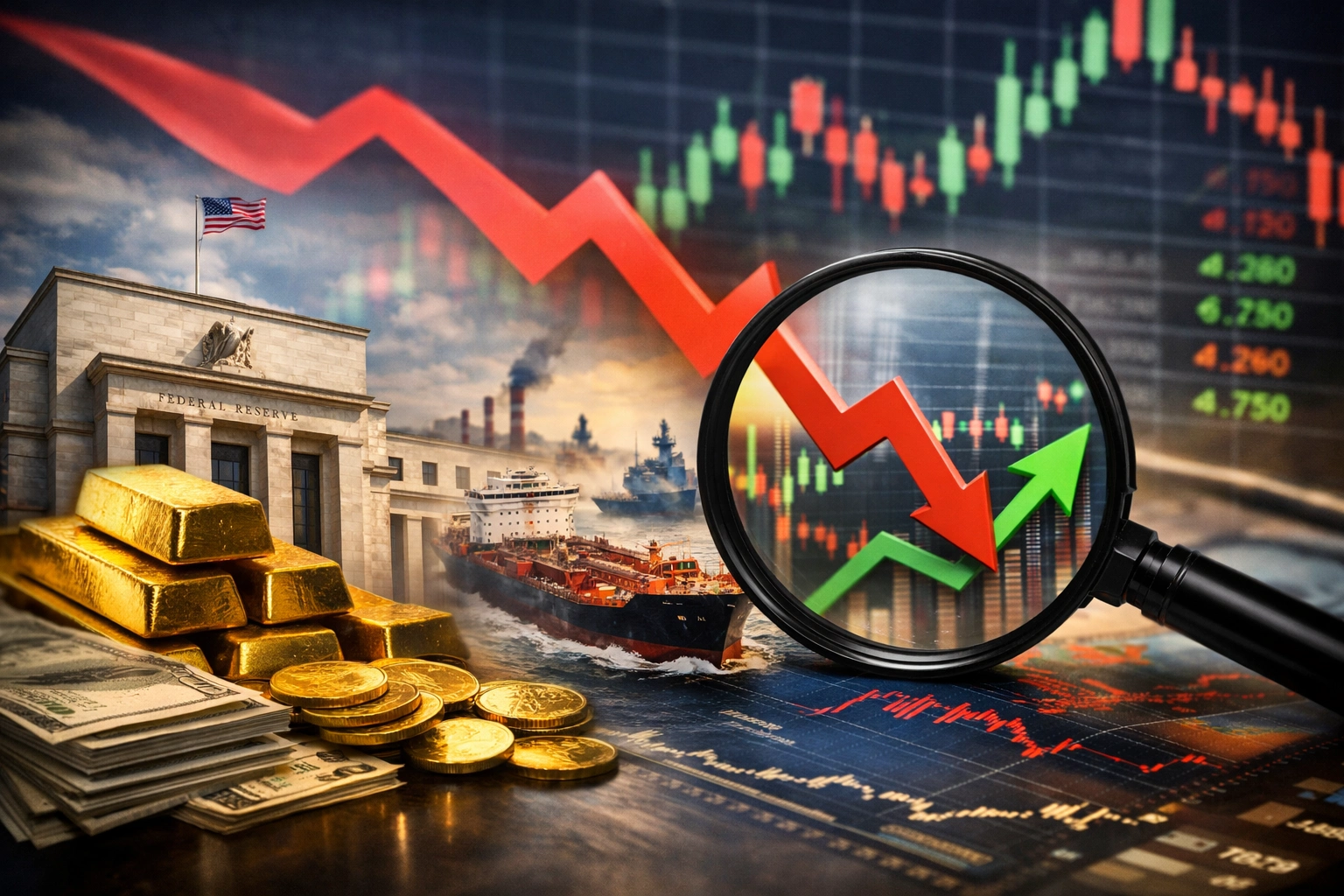
Low Liquidity Increases Volatility
With major Asian hubs such as China, Hong Kong, and Singapore closed, market depth has thinned significantly. In low-volume environments, even modest profit-taking can lead to exaggerated price swings. Analysts note that such conditions often create temporary distortions rather than structural trend reversals.
Shanghai’s absence from trading — typically a highly active exchange for precious metals — appears to have accelerated short-term selling pressure.
Why Did Gold and Silver Fall?
Several factors contributed to the weakness:
-
Continued effects of late-January sharp corrections
-
Increased margin requirements in Chicago and Shanghai futures markets
-
Stronger U.S. dollar index rising from 95 toward 97–98
-
Market uncertainty surrounding the Federal Reserve’s rate path
Higher margin requirements often trigger forced liquidations, amplifying downside volatility.
Federal Reserve Uncertainty Remains Key
Markets appear to be pushing back expectations for a potential rate cut from May to June. Ongoing uncertainty regarding monetary policy, upcoming economic data releases, and leadership changes at the Federal Reserve are keeping investors cautious.
As long as the interest rate outlook remains unclear, precious metals are likely to experience continued volatility throughout 2026.
Geopolitical Risk: Hormuz Tensions in Focus
Ongoing negotiations between the United States and Iran have yet to produce a definitive outcome. Discussions shifting to Europe and rising tensions involving the Strait of Hormuz are contributing to geopolitical risk premiums in commodities.
Any escalation involving energy supply routes could significantly influence gold and silver prices.